
Urban "Off the Grid"

Martin Jensen • August 22, 2019

You're on "the grid"

Every few weeks, we open our mailboxes (or our email inboxes) with bated breath. Inevitably, we find another heap of utility bills, waiting to separate us from our hard earned dollars. This is not unusual; this is simply part of life for most Canadians. But, what if it didn’t have to sting so much? What if this cycle didn’t have to replay itself, in it’s ugly fullness, month after month? What if we could cut down on our bills while being kind to mother nature?

For a small (but growing) number of hard working Canadians, living utility bill free has become a reality. How, you ask? These folks have left the power grid behind. And no... no one is suggesting you move to a place like this (unless of course that is what you want to do).
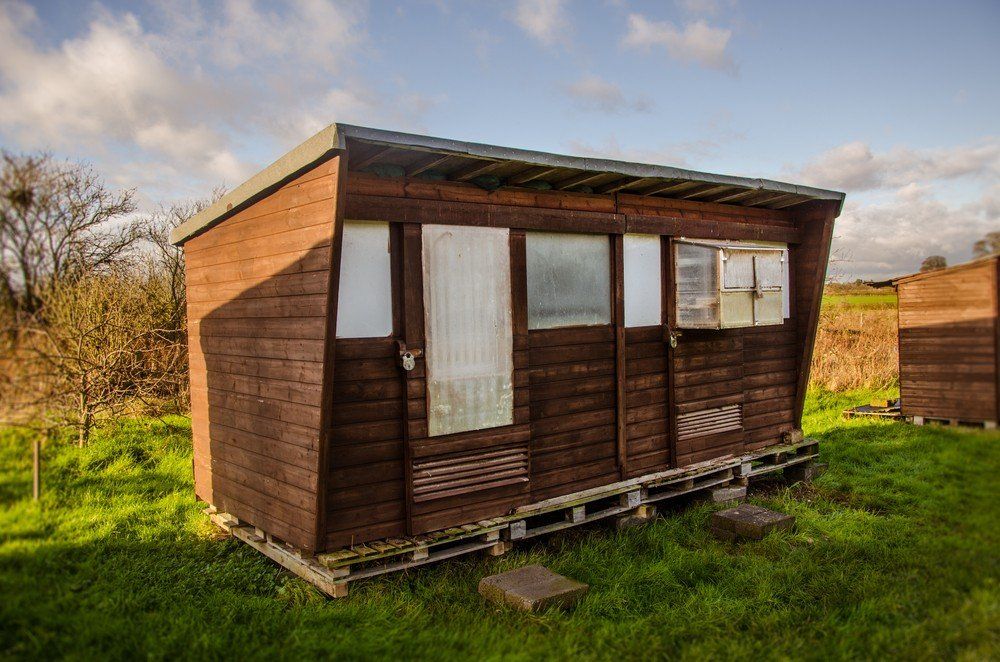
Now, let’s be frank, here: many of these “off the grid’ers” live in rural areas, often times to the point of total and complete seclusion. But the fact remains, most of us live in urban areas. We’re involved in our communities; we have families and responsibilities. So, while it may not be possible for the majority of us to live entirely off the grid, it’s certainly worthwhile to ask the question of, “How can we use the self-sustaining technology that’s been developed to lessen our footprint and gain a measure of independence for ourselves?”

WHAT is “the grid”?

You’ll hear the term “the grid” often within this series; but don’t be afraid. Each time, we’ll be referring to the power grid, or the power distribution grid. Essentially, it’s the way that power travels from it’s source to your home.

Most of us use this power every day, for various tasks such as: connecting our devices and appliances to power outlets, cooling our homes in the spring and summer, heating our homes in the fall and winter, cooking our food, refrigerating much of our food, etc. And sadly, we, as a society, have become largely dependent on this technology; so much that, in the event of a power outage many neighbourhoods become completely crippled. The city of Toronto suffered a major ice storm in late December of 2013, and countless folks had to leave their homes because they weren’t set up to live, even a few days, without grid powered electricity.

WHY going “off the grid” is gaining traction...

Why is going off the grid gaining traction with an increasing number of people? There seems to be three main reasons. Firstly, producing your own power takes away the need to buy it from others, thus saving you money. It’s just that simple. Secondly, for many individuals, concern for the earth and the desire to cut down on their environmental footprint takes precedence. And thirdly, many people simply don’t like the idea of remaining reliant on others for the necessities of life.

This is larger than fear mongering, and it’s wider than the few individuals who live in the hills outside of town. As the population grows, and as the threat of natural and man-made disasters creep closer to home, many individuals are asking, “What would I do in the event that [fill in the blank] happens?”. And this question often leads to a deepening interest in all things self-sufficiency.

WHO can do it?

If you resonate with any or all of the previous rationales behind going “off the grid”, you might be a candidate to take the next step.

Which leads us into our final “W” of this post:

WHERE: Off the grid living in an urban setting...

While “off the grid” style living has been popularized by people who generally occupy the nooks and crannies of this world, an increasing number of city and suburban folk are taking up the challenge. The Ingredients needed are straightforward: willing individuals, a base of knowledge (because remember, knowledge is power!), and some help to get it all started.

Urban “off the grid” living is honourable and achievable (at least to a certain degree). It just takes a little creativity and a willingness to look at life from a slightly different angle.


RECENT POSTS
By Martin Jensen April 1, 2026
Saving for a down payment is one of the biggest challenges first-time buyers face. What many don’t realize is that the Canadian government offers a program designed to make it easier—the Home Buyers’ Plan (HBP) . This program allows you to withdraw money from your RRSP to help purchase your first home, without immediate tax consequences. Here’s how it works: Who Qualifies? To be eligible, you generally need to be a first-time home buyer. In practical terms, this means you must not have owned a home in the past four years, nor lived in a property owned by your spouse or partner during that time. There are also special allowances if you’re living with a disability or helping a relative with a disability. In these cases, you can use the HBP even if you’ve owned a home more recently. How Much Can You Withdraw? Under the program, you can access up to $35,000 from your RRSP as an individual. Couples can combine their withdrawals for a total of $70,000 . These funds must have been in your RRSP for at least 90 days before you take them out. Paying It Back The HBP isn’t “free money”—it’s an interest-free loan from your own retirement savings. You’ll have 15 years to repay the full amount back into your RRSP, starting in the second year after withdrawal. Each year, the CRA will send you an HBP Statement of Account outlining how much needs to be repaid. If you don’t make your repayment in a given year, that amount will be added to your taxable income. Why It’s a Smart Strategy The HBP can give first-time buyers a powerful boost toward homeownership. It helps you put together a larger down payment, which can reduce your mortgage amount and monthly payments. Just remember: it’s important to balance the short-term benefit of homeownership with the long-term impact on your retirement savings. Next Steps Thinking about using the Home Buyers’ Plan? Let’s sit down and review whether it’s the right move for you. Together, we can create a strategy that gets you into your first home while keeping your future financial goals on track. 📞 Reach out anytime—it would be a pleasure to guide you through the process.
By Martin Jensen March 25, 2026
Thinking of Calling Your Bank for a Mortgage? Read This First. If you're buying a home or renewing your mortgage, your first instinct might be to call your bank. It's familiar. It's easy. But it might also cost you more than you realize—in money, flexibility, and long-term satisfaction. Before you sign anything, here are four things your bank won’t tell you—and four reasons why working with an independent mortgage professional is the smarter move. 1. Your Bank Offers Limited Mortgage Options Banks can only offer what they sell. So if your financial situation doesn’t fit neatly into their guidelines—or if you’re looking for competitive terms—you might be out of luck. Working with a mortgage broker? You get access to mortgage products from hundreds of lenders : major banks, credit unions, monoline lenders, alternative lenders, B lenders, and even private funds. That means more options, more flexibility, and a much better chance of finding a mortgage that fits you. 2. Bank Reps Are Salespeople—Not Mortgage Strategists Let’s be honest: most bank mortgage reps are trained to sell their employer’s products—not to analyze your financial goals or tailor a long-term mortgage plan. Their job is to generate revenue for the bank. Independent mortgage professionals are different. We’re not tied to one lender—we’re tied to you. Our job is to shop around, negotiate on your behalf, and recommend the mortgage that offers the best balance of rate, terms, and flexibility. And yes, we get paid by the lender—but only after we find you a mortgage that works for your situation. That creates a win-win-win: you get the best deal, we earn our fee, and the lender earns your business. 3. Banks Don’t Lead with Their Best Rate It’s true. Banks often reserve their best rates for those who ask for them—or threaten to walk. And guess what? Most people don’t. Over 50% of Canadians accept the first renewal offer they get by mail. No questions asked. That’s exactly what the banks count on. Mortgage professionals don’t play that game. We start by finding lenders offering competitive rates upfront, and we handle the negotiations for you. There’s no guesswork, no pressure, and no settling for less than you deserve. 4. Bank Mortgages Are Often More Restrictive Than You Think Not all mortgages are created equal. Some come with hidden traps—especially around penalties. Ever heard of a sky-high prepayment charge when someone breaks their mortgage early? That’s often due to something called an Interest Rate Differential (IRD) —and big banks are notorious for using the harshest IRD calculations. When we help you choose a mortgage, we don’t just focus on the interest rate. We look at the whole picture, including: Prepayment privileges Penalty calculations Portability Future flexibility That way, if your life changes, your mortgage won’t become a financial anchor. A Quick Recap What your bank typically offers: Only their own limited mortgage products Sales-focused representatives, not mortgage strategists Default rates that aren’t usually their best Restrictive contracts with high penalties What an independent mortgage professional delivers: Access to over 200 lenders and customized mortgage solutions Personalized advice and long-term financial strategy Competitive rates and terms upfront Transparent, flexible mortgage options designed around your needs Let’s Talk Before You Sign Your mortgage is likely the biggest financial commitment you’ll ever make. So why settle for a one-size-fits-all solution? If you're buying, refinancing, or renewing, I’d love to help you explore your options, explain the fine print, and find a mortgage that truly works for you. Let’s start with a conversation—no pressure, just good advice.
By Martin Jensen March 18, 2026
The Bank of Canada announced today that it is holding its target for the overnight rate at 2.25%, with the Bank Rate at 2.5% and the deposit rate at 2.20%. For anyone watching the mortgage market — whether you're renewing, purchasing, or simply keeping an eye on borrowing costs — here's a breakdown of what was announced and what it may mean for you.